

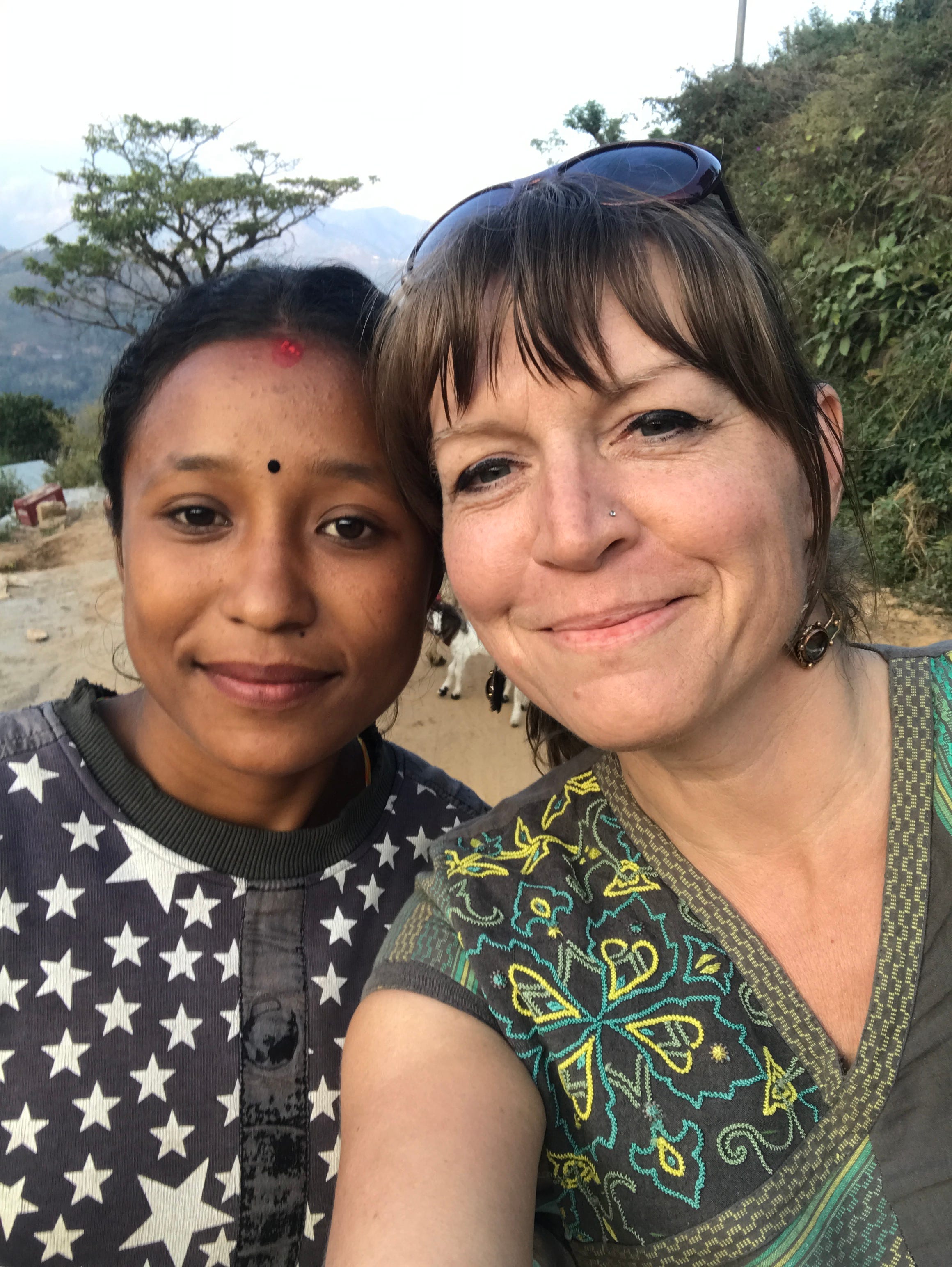
One of my most precious memories from my years working abroad was the twenty-four hours I stayed with a family in a remote area of the Nepali Himalayas. It was the experience of selfless hospitality that remains most warm and vibrant in my memory.
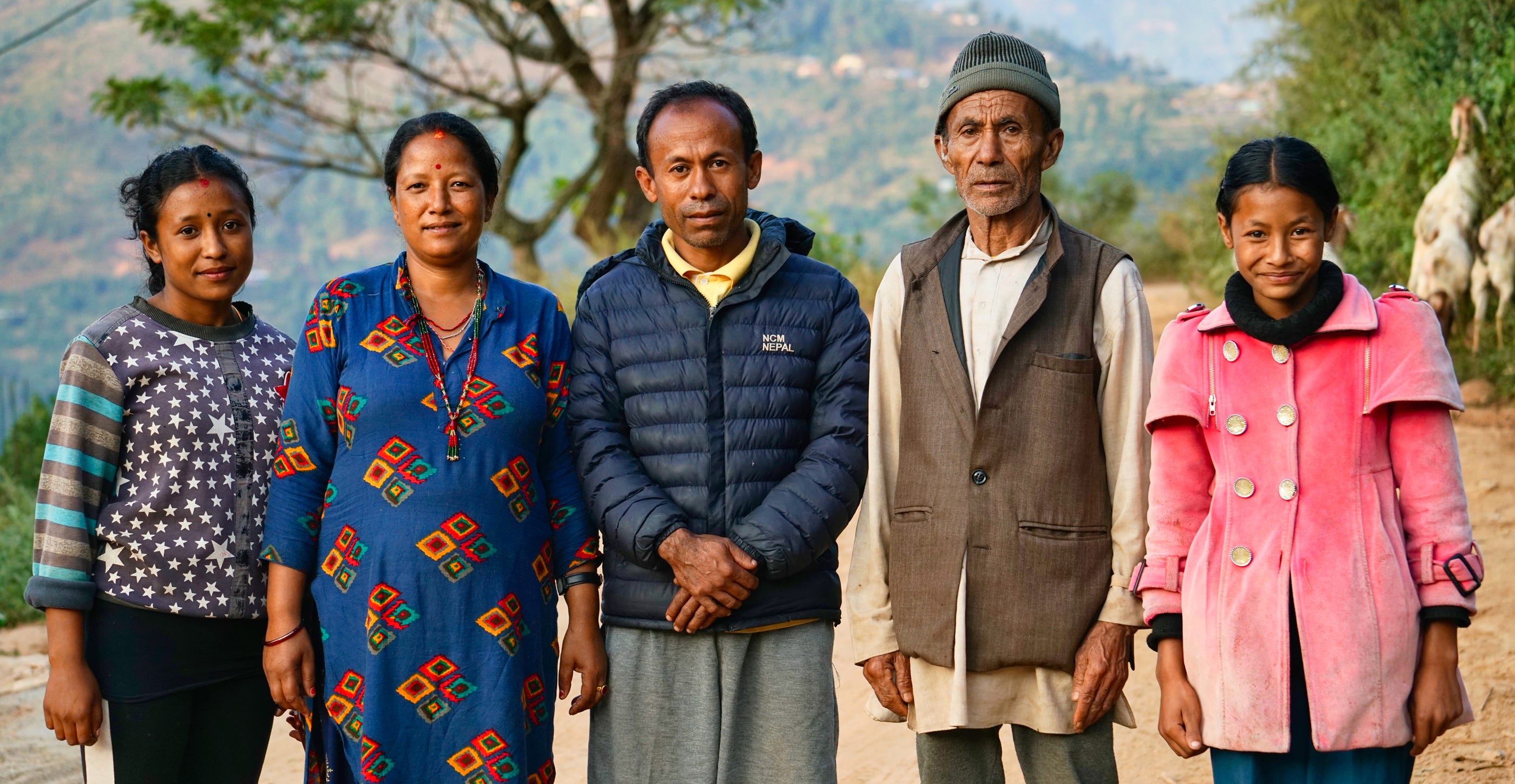
True hospitality is sharing what you have
When our mission agency moved my husband and me to England as our new home base for international mission work, it provided us with a 450-square-foot, one-room studio apartment on campus of a small seminary.
I stepped into the cramped space, set my bags down, and thought about crying.
The bed and our personal belongings were essentially in the same space as the tiny galley “kitchen” with its mini fridge and couple of cabinets. The adjacent dining table was only large enough for two.
I’d never lived anywhere so small. Coming from America, where everything we have and do is “big” — from our open-floor-plan McMansions to our massive pick-up trucks and SUVs to even our wide open landscapes and endless skies — in this little room, I felt like I couldn’t breathe.
I love cooking and having people over, building community through hospitality and delicious food. But the prospect of doing that here seemed ridiculous. Not only would guests have to march through our private, intimate “bedroom” to get to the “kitchen” (which initially felt highly invasive to me), there wasn’t space or a table big enough to have more than one person, maaaybe two, over to eat with us at a time. The apartment as a whole didn’t even feel big enough for the two of us, as my husband and I are both a bit independent; unless we intentionally plan a shared activity, we default to spending our free time doing very different things from one another. So, how could we bring other people into this space with us? I didn’t see a way.
During the first few months, my husband and I wrestled with simply how to live, cook, eat, and sleep in this tiny space, bumping into each other and tripping over our things. I longed to have our new friends and some of the college students over, host large groups over yummy meals and boisterous conversations full of learning about each other and laughing over cultural differences. But our attic studio apartment stayed quiet for months. I was too embarrassed to let anyone in.
Yet, gradually, ever so slowly, the urge to offer hospitality superseded my shame over the lack of space available and the lack of resources with which I could offer that hospitality. We got a second folding table and some folding chairs to extend the two-person set we already had. I found places to stash cooking ingredients around the apartment, such as under the bed, behind the loveseat, and in the narrow hall wardrobe. I learned to walk to the grocery every two to three days to buy fresh food, since our mini-fridge did not allow my typical American habit of storing a week’s worth of groceries after one weekly trip to the store.
Soon, we were hosting handfuls of people — visiting couples with children, PhD students from abroad who were in town for annual meetings, seminary colleagues and friends — for coffee or even a full meal. I don’t know how I managed, but I did. People didn’t seem to mind the cramped space, after all. Hospitality is about being together, about sharing what you have, whatever that is.
My embarrassment eventually slipped away. Over the next four years we lived there, I no longer hesitated to invite people over. Some of my favorite memories now are the fun-filled conversations and time building relationships that happened in that cramped little space.
I had learned the difference between “entertaining” and “hospitality” as described by Emily Stimpson Chapman in The Catholic Table: Finding Joy Where Food and Faith Meet.
Entertaining is primarily depicted as a performance, with the host putting on a show and the guests taking their seats as the appreciative audience. The goal of the performance … is always to impress.
As Christians, we’re not called to “entertain” people or put on a show. But we are expected to practice hospitality. … What we’re talking about is simply opening the doors of our homes and inviting others in — giving the lonely, the lost, the weak, the hungry, the struggling, the searching, the stranger, and the friend an opportunity to experience the love of God through the love we show to them.
All you need to practice hospitality is something to eat, something to drink, and a heart willing to love. (pgs. 131 - 132)
Seven years later, I discovered what it was like to be on the receiving end of that kind of unselfconscious hospitality.
Experiencing hospitality from the other side
It was 2022. My husband and I had moved back to the United States by this time, having resigned from full-time mission work. But I was still contracting for the organization on occasional projects. They asked if I would go to Nepal with a videographer to document how a village that had been decimated by the 7.8-magnitude earthquake of April 2015 had rebuilt and how the residents were doing now.
I’d still been working full-time for our organization (and living in that cramped apartment), when that earthquake made headlines around the world. It killed almost 9,000 people, injured tens of thousands, and caused damage from Kathmandu to China and India.
Two weeks after the earthquake, I flew with a videographer to Nepal to document how local Christians were delivering desperately needed food aid to remote villages that the government and other NGOs had not been able to reach yet.
When we had arrived in one particular village in late April 2015, 99 percent of the structures had collapsed. The survivors were living outside in tents, and they had run out of food days before. Cut off from outside help, with most of their stored food buried under rubble and contaminated by debris, and the crops in the fields not yet ready to harvest, they had survived mainly because the village had a fresh spring of clean water. One woman — slow and lethargic with hunger — told us she had eaten nothing for ten days.
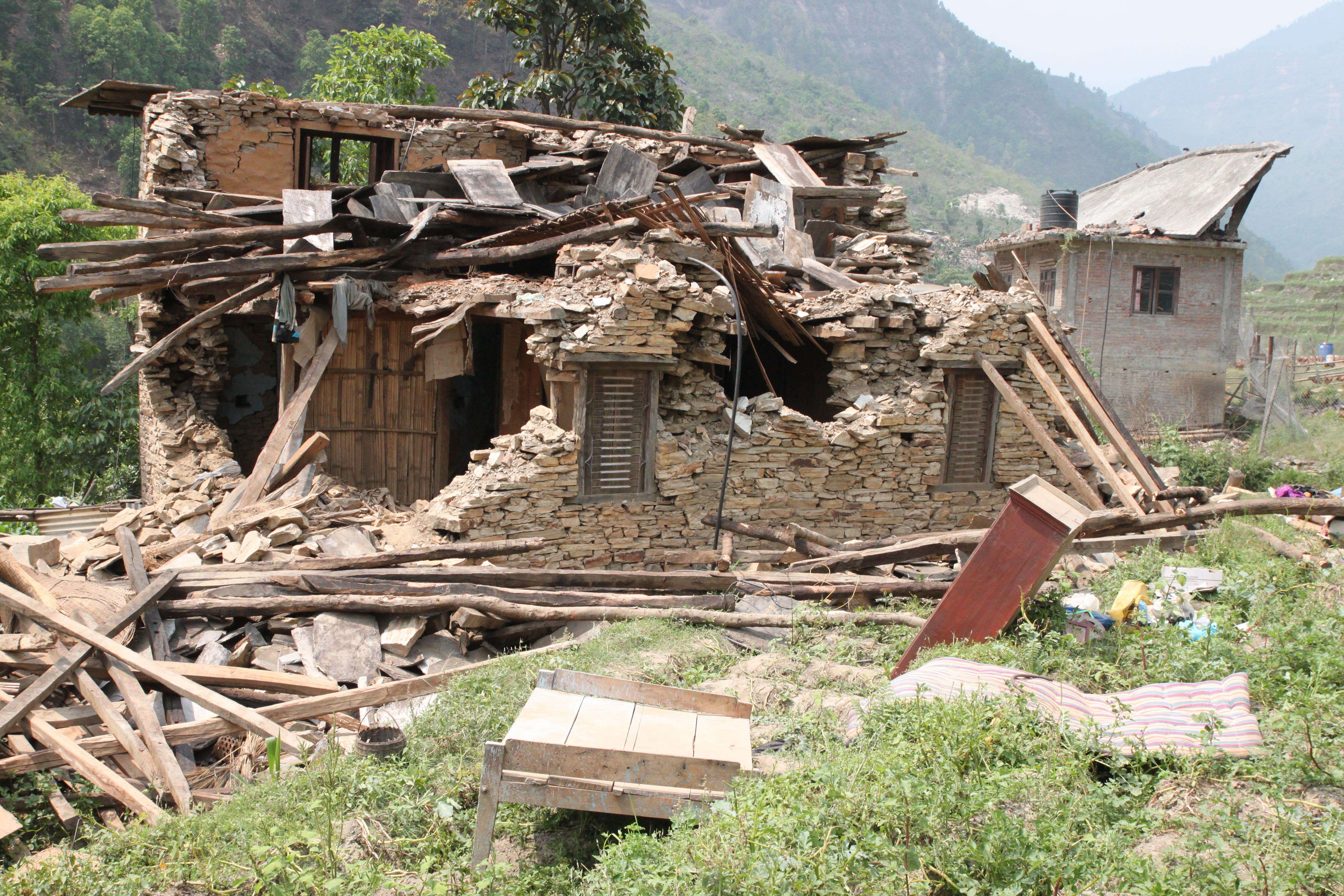
Unlike most other NGOs that swooped in with some food relief and then swooped out again just as fast as a new disaster consumed international headlines, our local leaders were Nepali. They lived nearby and had been impacted by the earthquake, too. One of them had grown up in this village and his family still lived there. So, for the seven years between 2015 and 2022, our local Nepali leaders walked alongside the residents as they rebuilt their homes and lives. This involved not only bringing critical outside resources but teaching them strategies that empowered them to work together as a village to rebuild and thrive without becoming dependent on anyone else.
Returning to one of those same villages seven years later to see how the people were doing— traveling with the same videographer — was an opportunity I had never dared imagine.
The village was still so remote that there were no hotels within a day’s drive, so our local guide called ahead to ask if anyone would put us up for the night. A lovely family of five volunteered their home, and our guide planned to stay with his parents up the hill above the village.
After hours navigating twisting mountainside roads, we pulled into the village. It was unrecognizable. All the homes and structures had been rebuilt and the residents enjoyed vast, lush gardens that filled my own struggling urban gardener’s heart with awe and envy.
We unloaded in front of this family’s home, and the teenage daughters came out to help us carry our things inside.
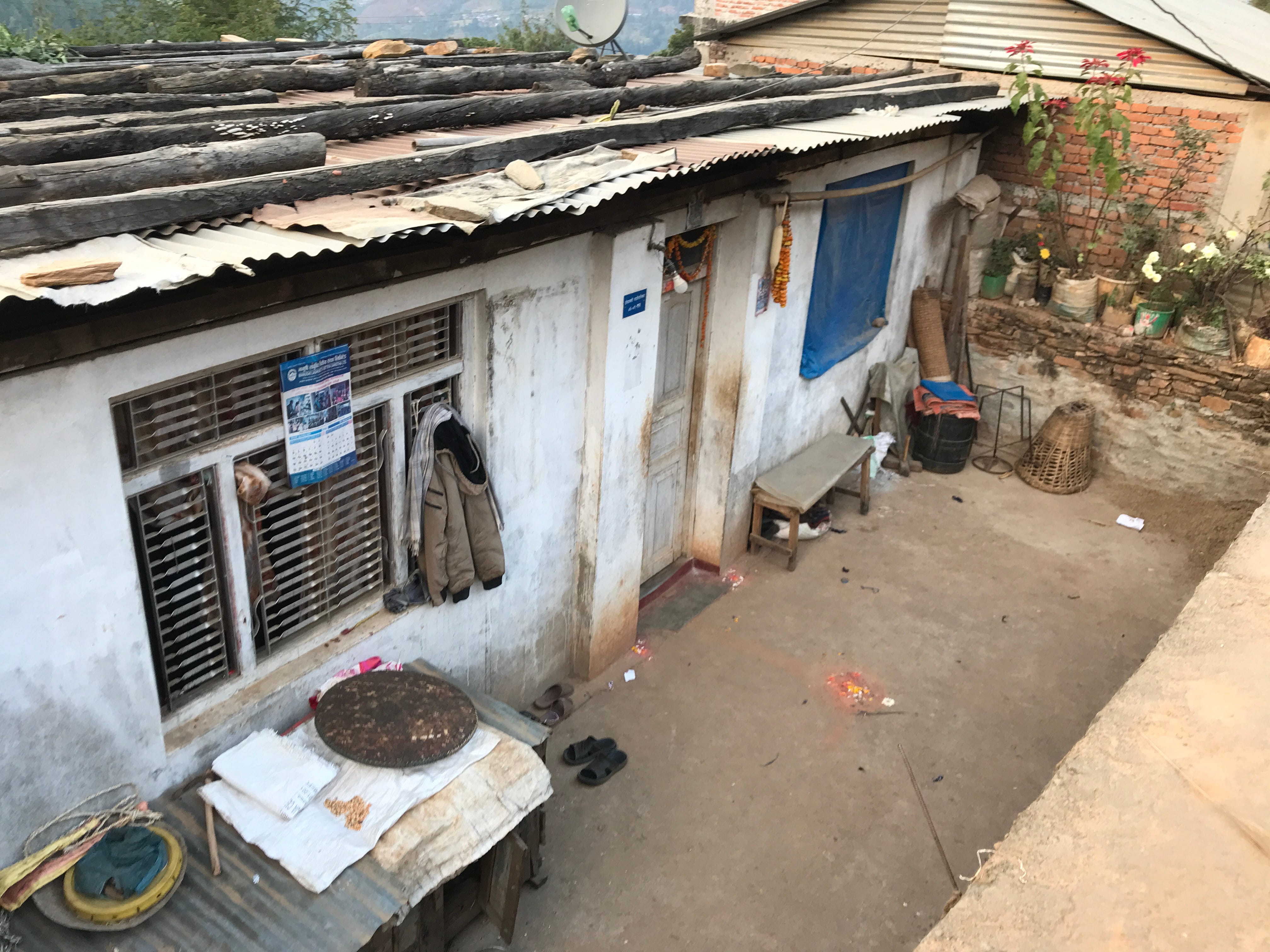
It was a hand-built, four-room structure, with a narrow hallway down the center, and two rooms opening off to each side. It seemed expansive and generous compared to the claustrophobic studio apartment in Manchester. The corridor had a sparkling clean cement floor and was where the family housed their carpet weaving loom. A number of families in the village now made significant income from weaving and selling beautiful carpets.
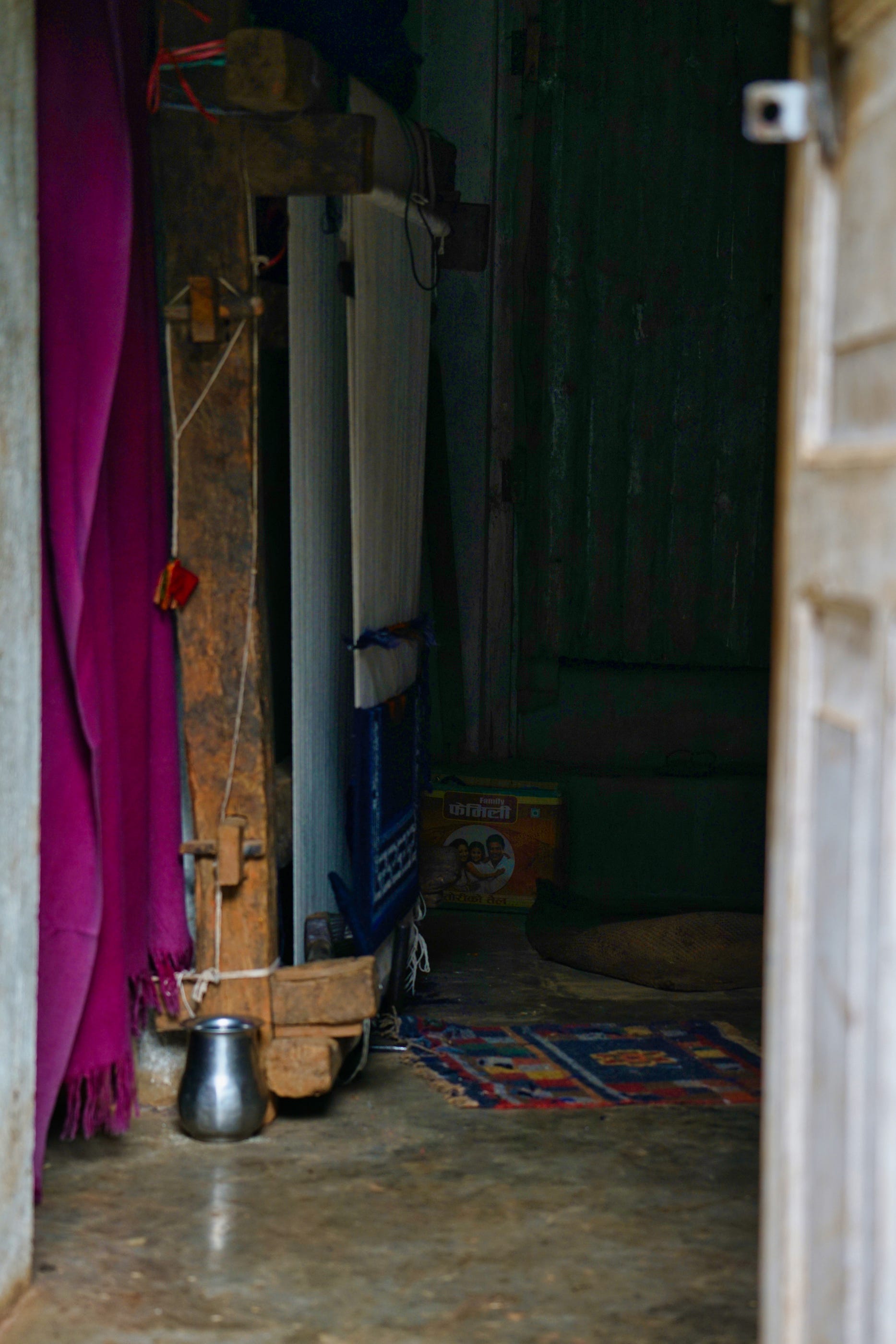
All four rooms that opened off the corridor were bedrooms: one for the parents, one for each of the two daughters, and one for their grandfather. I realized this was a mansion by the standards of this village, because when we were invited next door to another family’s house for tea and conversation, I learned that entire family lived in one single room, and slept together in one single bed. And yet, that family generously opened their room to our group and made us tea. We sat together and enjoyed get-to-know-you-conversation there, too.
Like all the homes in this small village, our host family’s home had no indoor plumbing. There was a pit toilet at the end of the hallway — a hole in the floor that you squatted over to relieve yourself. That was more than some homes I had visited over the years. For example, when visiting a home in rural India, I stepped outside their door and relieved myself in the adjacent yard, the way the homeowners did. At another house, I was expected to relieve myself over a drain in the floor of the homeowners’ storage room.
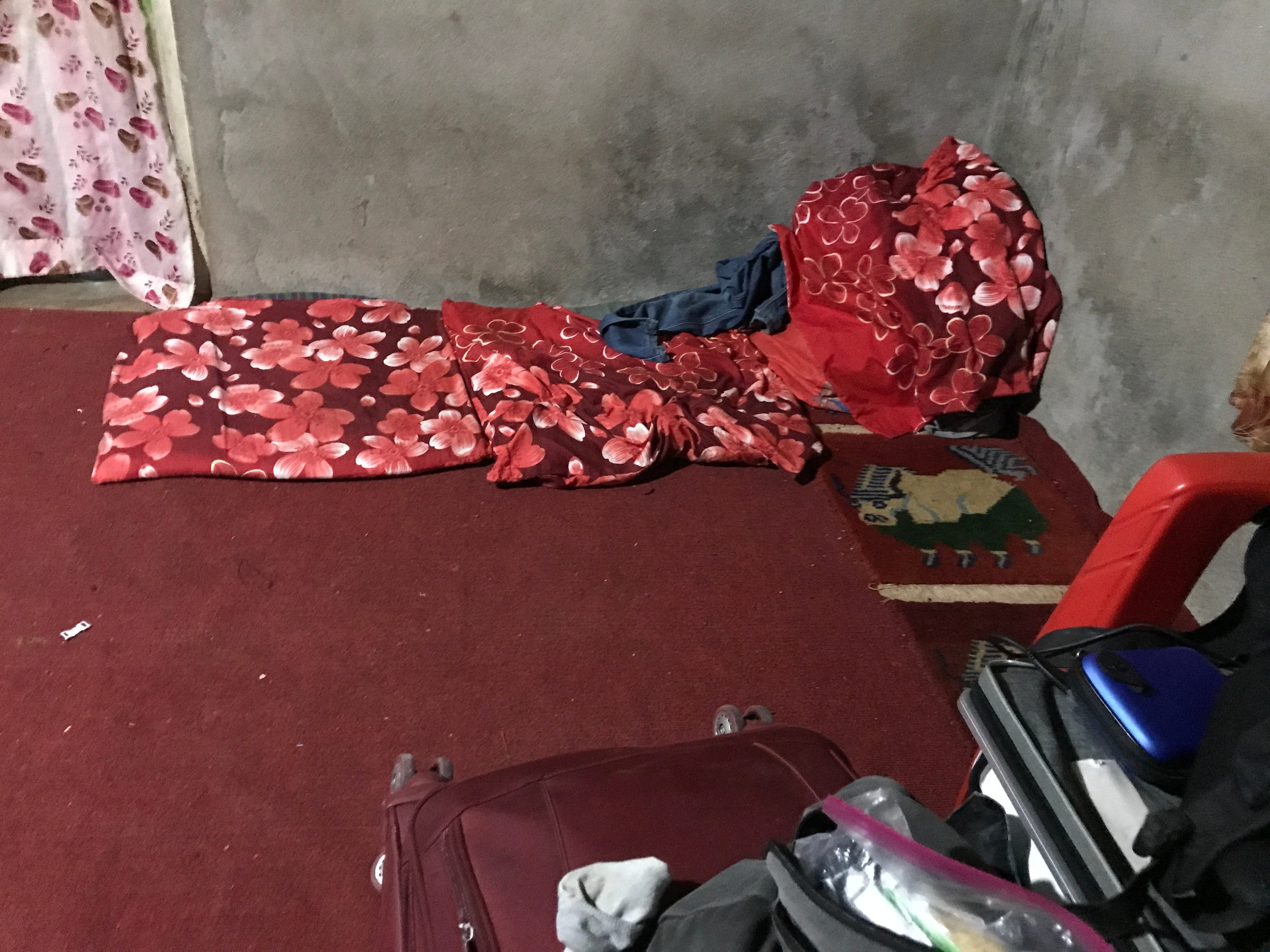
Here, I was instantly struck with guilt when I realized I was going to sleep in one of the daughters’ bedrooms. And the videographer, Steve, was put up in the other girl’s room. Both teens had gathered some blankets and made a nest on the floor of the room where I was going to stay, giving me the older girl’s bed. They seemed glad to do this for me, so I squelched the guilt and simply expressed my deep gratitude.
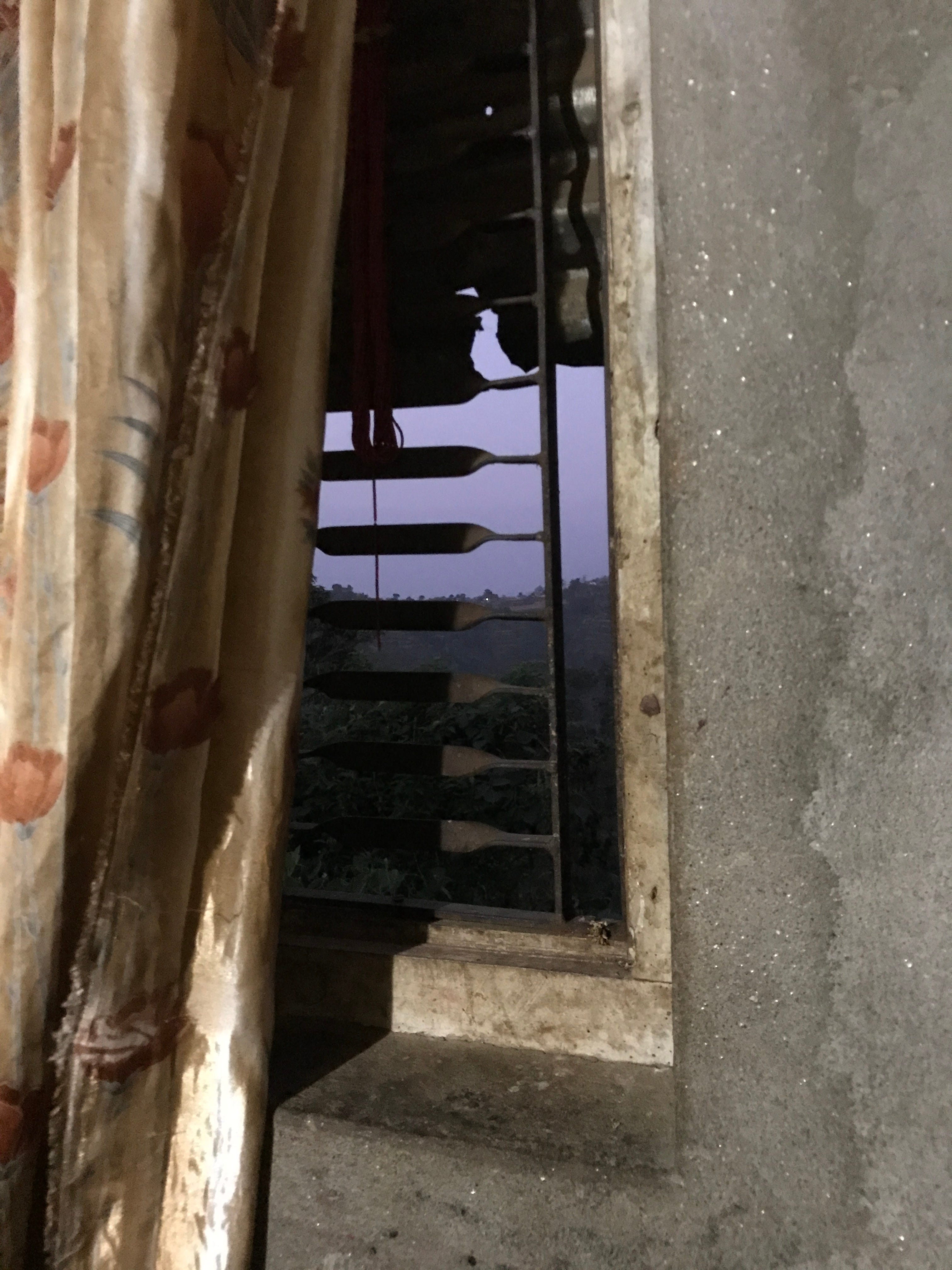
The house had windows in the cement walls, open to the outside, with privacy created by a piece of fabric hung over it as a curtain.
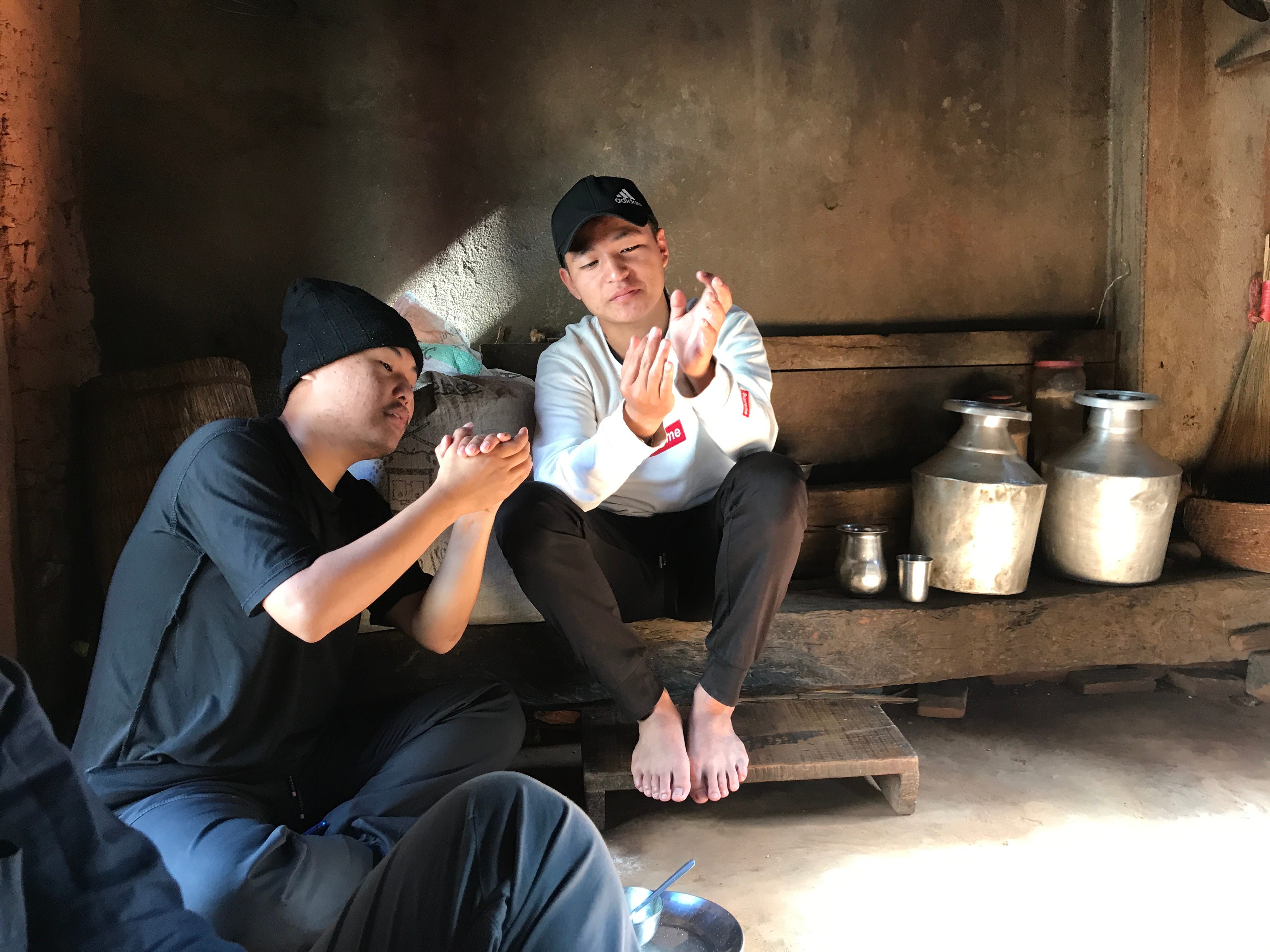
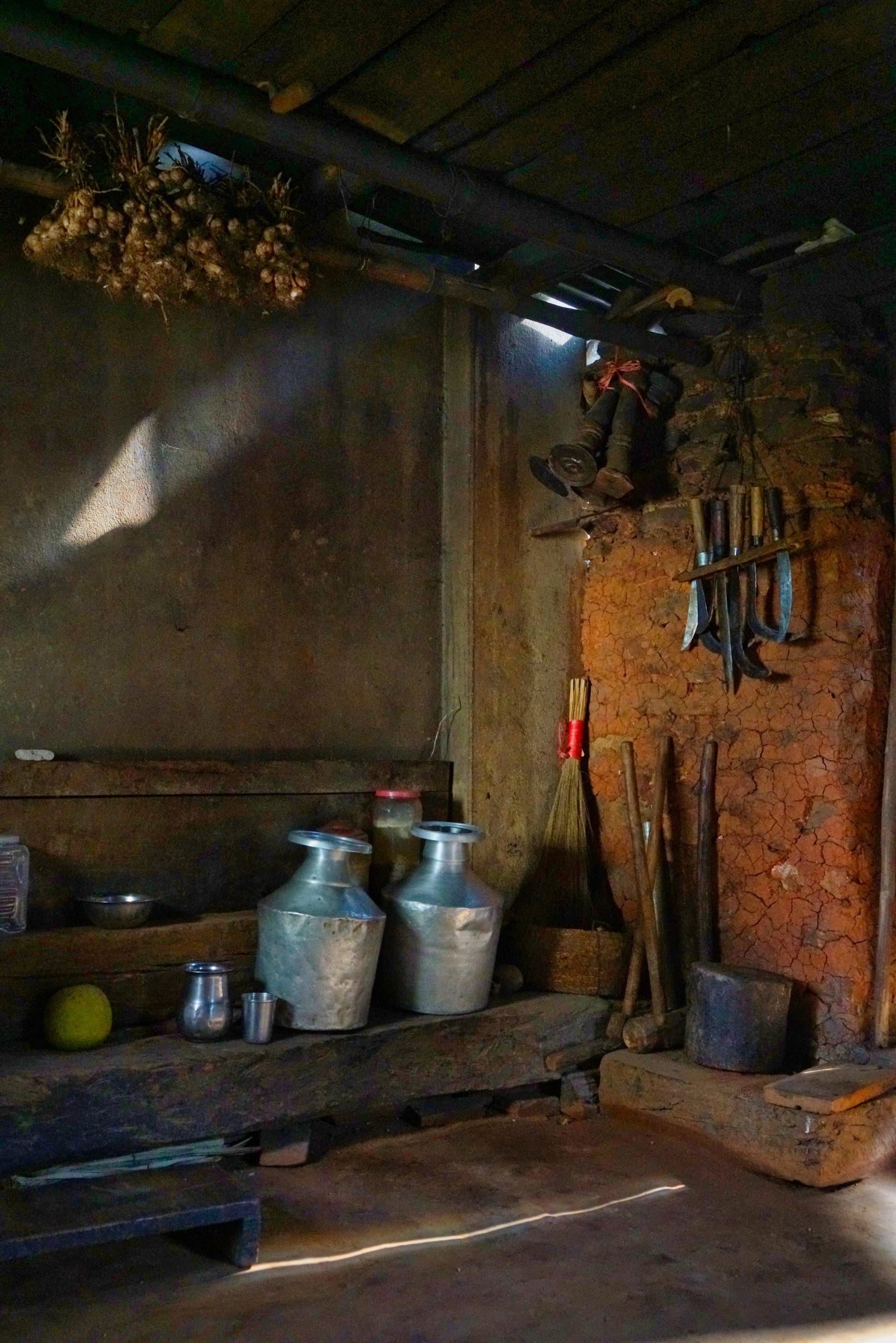
It was evening and the sun was setting. The family led us into a second structure, one built of stacked red rocks with a red clay floor, where they cooked, and ate, and spent time together. We sat on the floor to visit and talk through a translator as they prepared a meal for us all.
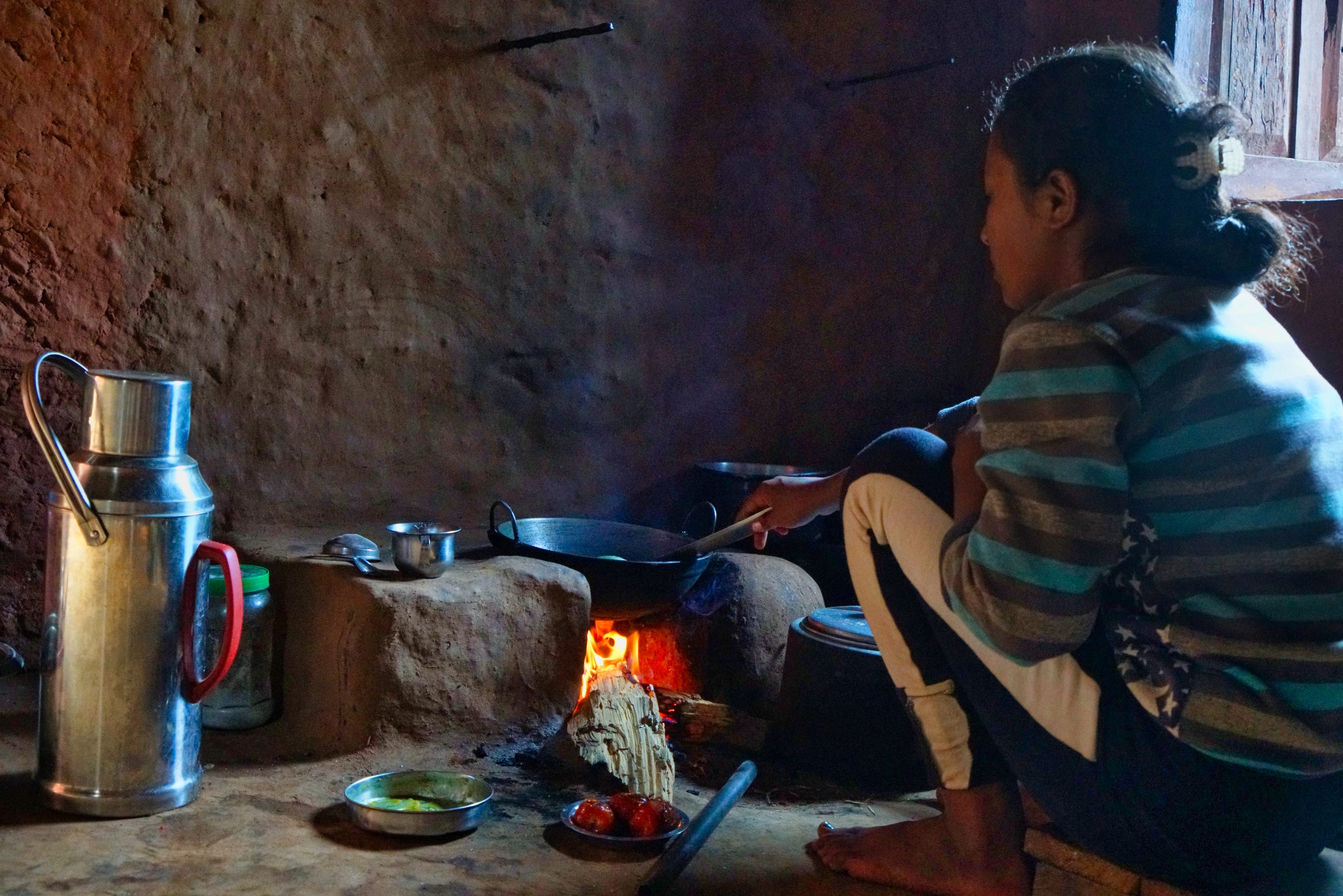
The stove was wood-burning next to another open window. It was my first up-close exposure to the reality that more than 2 billion people — mostly women and children — are daily exposed to toxic fumes from the smoke created by unclean indoor cooking fuels, such as wood, dung and biomass.1
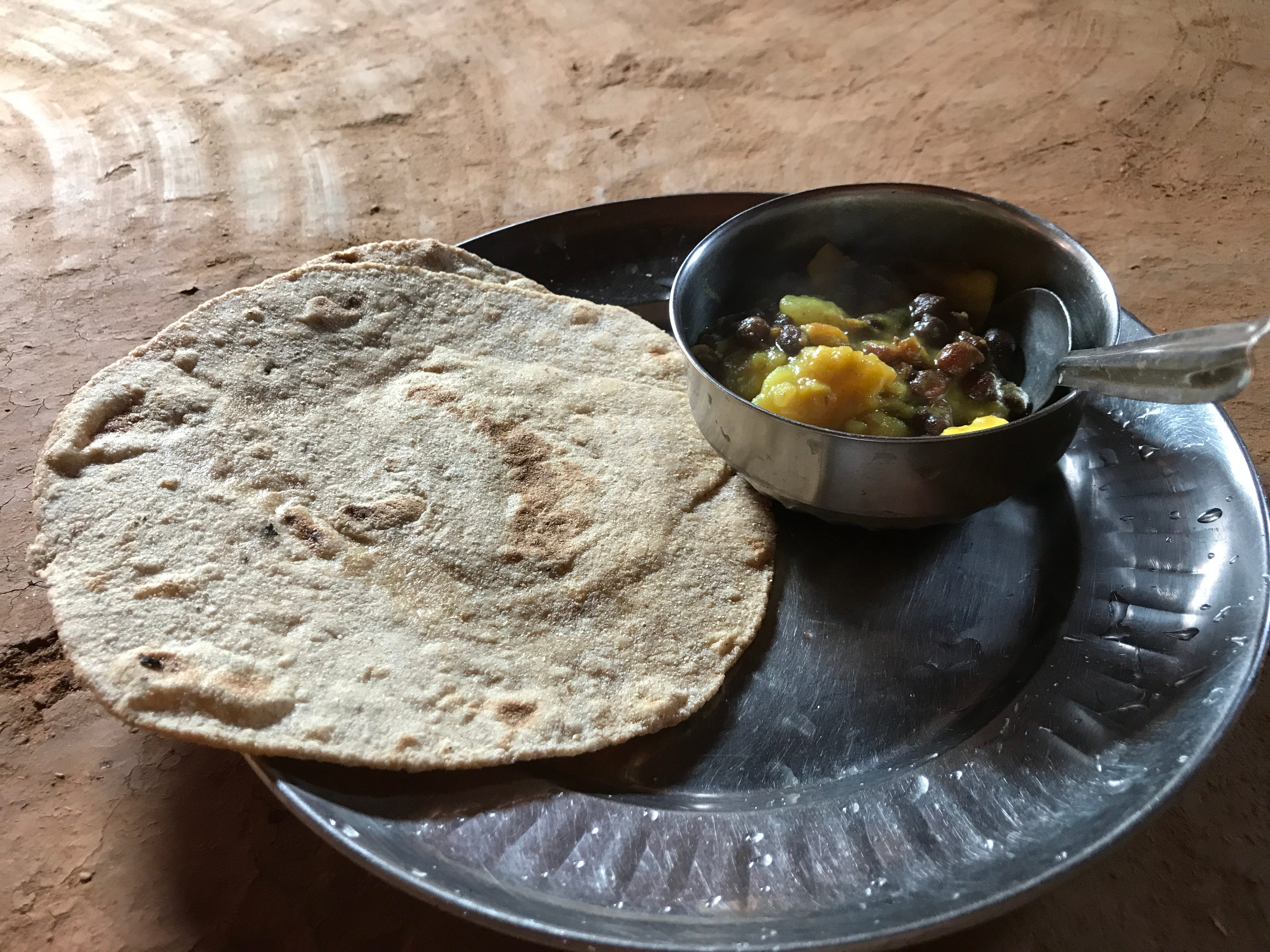
We ate delicious homemade food, drank chai, and enjoyed a calm, relaxing evening talking together after a long day of travel.
Late in the evening, I crawled into the daughter’s bed that she so joyfully gave up for me, as the girls curled up together on the floor. I fell instantly asleep. As someone who normally doesn’t sleep well, it was strange to not wake up a single time until morning. I was astonished at how deeply I slept in their home.
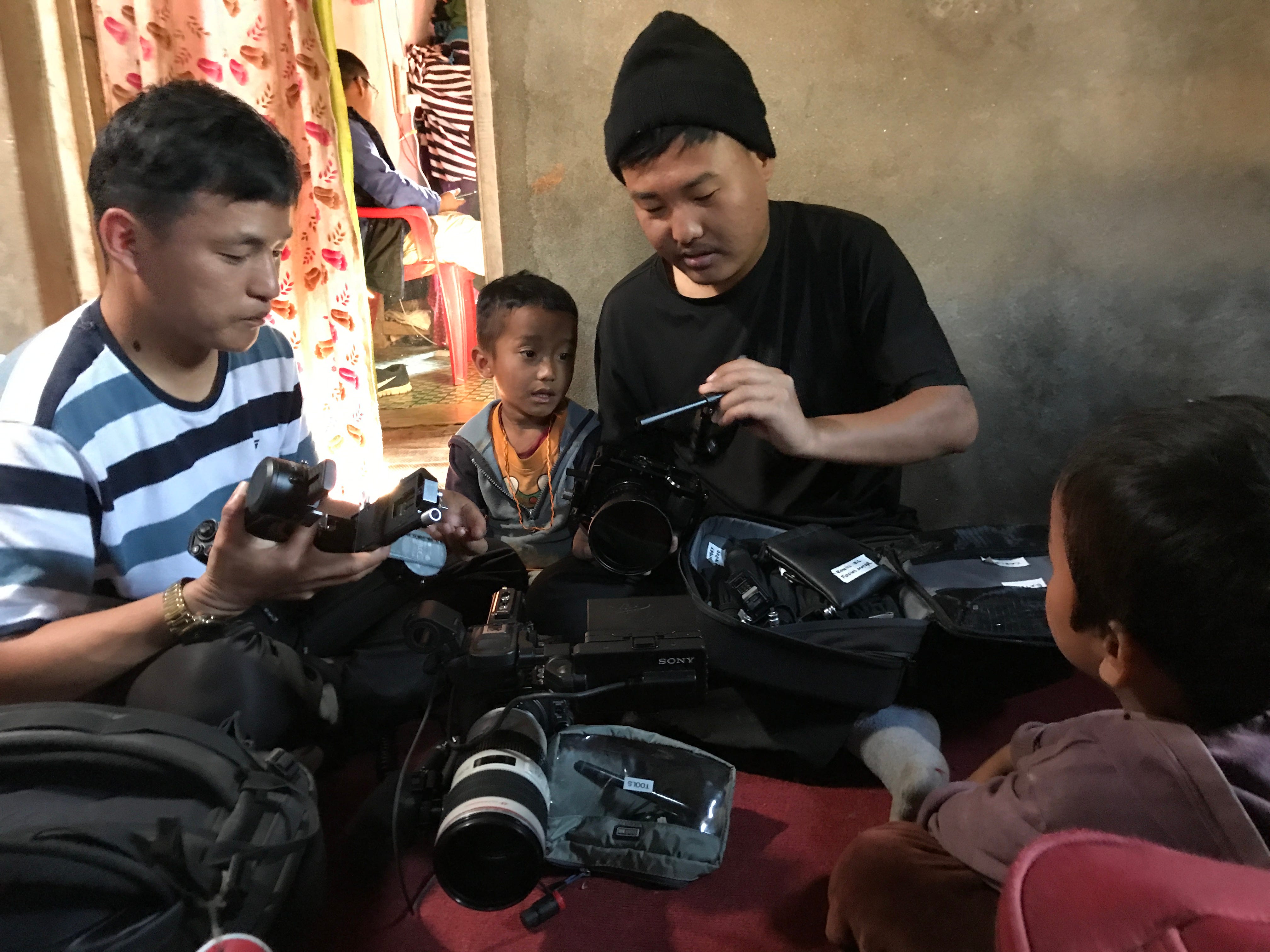
Throughout the following gloriously sunny day, Steve and I and our local traveling companions spent time with the families in the village, filming their stories as they proudly shared with us their new homes, large gardens, weaving looms, and lives. We stopped for occasional meals, tea, and snacks as our host family kept us fed and caffeinated.
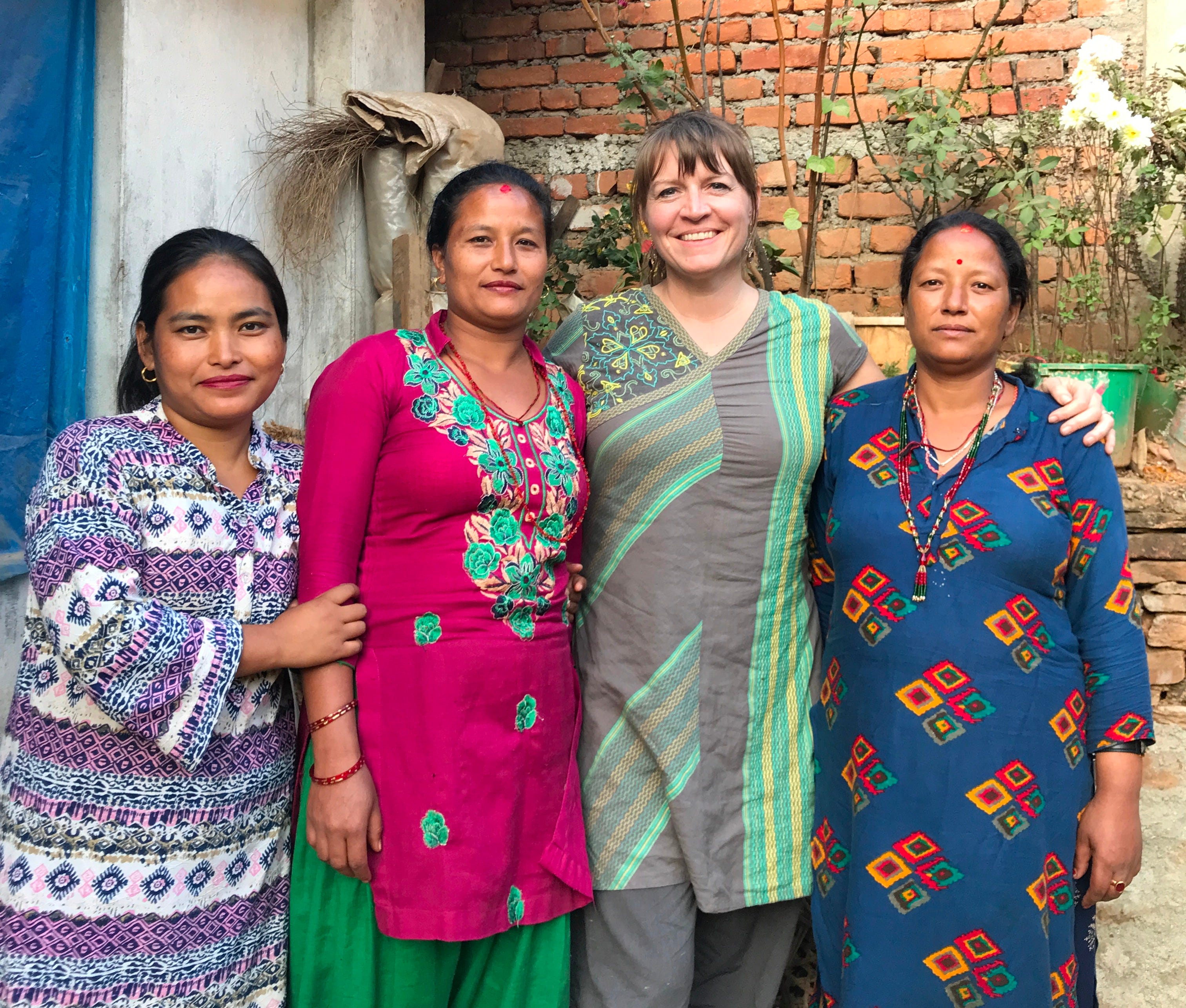
I can’t remember anymore what all we talked about during those hours together, other than what it was like for them the day of the earthquake and in the years since. Most vividly I remember the warmth, the pleasure they had in hosting us, their unabashed welcoming of complete strangers who didn’t speak the same language, into the intimacy of their very home and daily lives.
My time with them was only 24 hours, but it was one of the most special days for me during my 10 years abroad. The hospitality went beyond good food or a warm bed. You can get that in any restaurant or hotel. It was about people opening their homes and hearts to us, sharing what they had with joy and generosity.
It was wonderful to receive hospitality in this way. I won’t forget it.
https://www.who.int/news-room/fact-sheets/detail/household-air-pollution-and-health
Loved 🥰 this Substack and the related photos!!! AB